Explore ↓

Herbs & spices

Flavor with
benefits.

Simple blends. Delicious recipes. Practical ways to add more flavor—and potential wellness benefits—to everyday meals.

Choose a blend ↓
Autumn spices displayed with pumpkins

Start here

Pick a blend.
Make something good.

Explore three versatile spice blends, with step-by-step recipes and fresh ideas for bringing each one into your everyday cooking.

Warm · fragrant · familiar

Pumpkin Pie Spice

4 recipe ideas
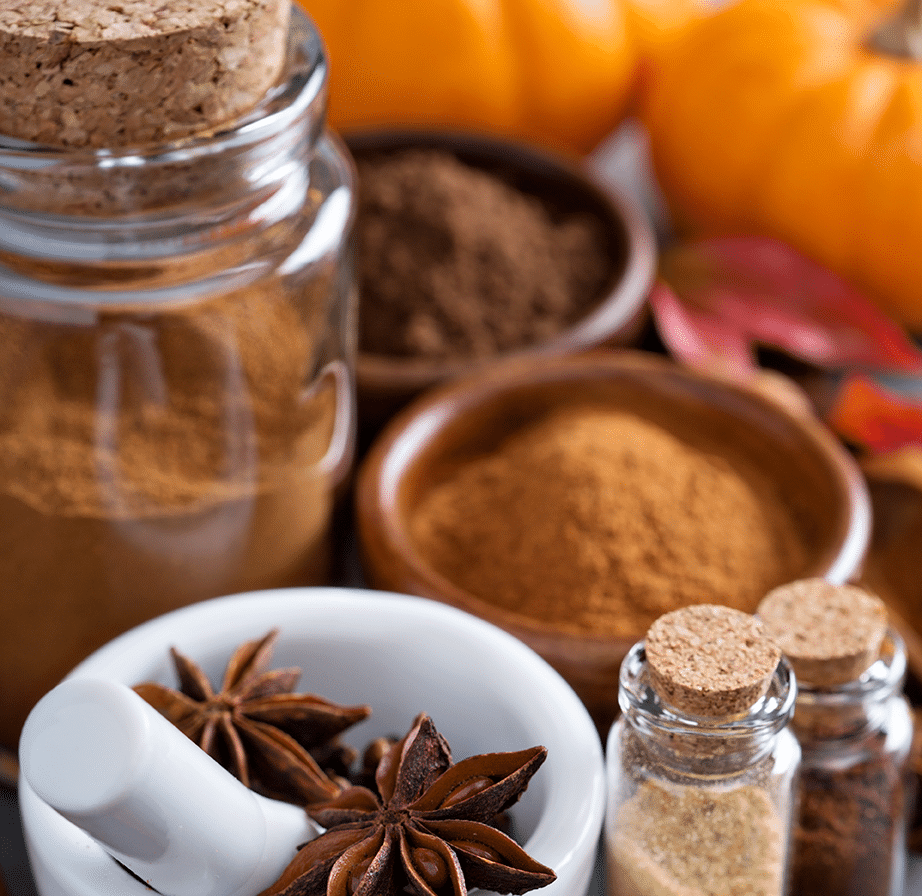
Autumn spices displayed with pumpkins
Make this spice blendPumpkin Pie Spice Blend+

YieldAbout 2 tablespoons

Ingredients

  • 3 cinnamon sticks (about 1 Tbsp ground)
  • 1 tsp freshly ground nutmeg
  • 1 tsp ground ginger
  • 1 tsp whole cloves
  • 1 tsp allspice berries
  • ¼ tsp black peppercorns

Directions

  1. Grind all ingredients until finely blended.
  2. Store in an airtight container for up to 3 months.

Recipe ideas using this blend

Recipe ideaPumpkin Spice Breakfast Bread+

Ingredients

  • 1¾ cups all-purpose flour
  • 1 tsp baking soda
  • ¾ tsp salt
  • 1 tsp cinnamon
  • 2 tsp pumpkin pie spice
  • ½ cup melted butter or coconut oil
  • 2 eggs
  • ½ cup granulated sugar
  • ½ cup brown sugar
  • ½ cup pumpkin puree
  • 1 cup shredded Granny Smith apple
  • ¾ cup shredded carrot
  • 2 Tbsp milk
  • 1 cup coarsely chopped walnuts

Directions

  1. Preheat oven to 350°F and grease a 9-inch loaf pan.
  2. Mix flour, baking soda, salt, cinnamon, and pumpkin pie spice.
  3. In a separate bowl, whisk butter, eggs, sugars, pumpkin, apple, carrot, and milk.
  4. Combine wet and dry ingredients until just mixed. Fold in walnuts.
  5. Transfer to the loaf pan and bake 55–65 minutes. Cool before slicing.
Recipe ideaPumpkin Spice Latte+

Ingredients

  • 2 shots espresso
  • 1½ Tbsp pumpkin puree
  • 2 tsp vanilla extract
  • ½ tsp pumpkin pie spice
  • 2 Tbsp maple syrup
  • 1½ cups milk of choice

Directions

  1. Combine espresso, pumpkin, vanilla, pumpkin pie spice, and maple syrup in a mug.
  2. Stir until smooth.
  3. Steam milk and pour into the mug.
  4. Garnish with additional pumpkin pie spice.
Recipe ideaBaked Pumpkin Oatmeal Muffins+

Ingredients

  • 1⅓ cups milk
  • 2 eggs
  • ½ cup maple syrup
  • ⅔ cup pumpkin puree
  • 3 cups rolled oats
  • 1 tsp baking powder
  • 1 tsp pumpkin pie spice
  • 1 tsp cinnamon
  • 1 tsp vanilla extract
  • ¼ tsp salt
  • 1 cup chopped pecans

Directions

  1. Preheat oven to 350°F and grease a muffin pan.
  2. Mix all ingredients together.
  3. Fill muffin cups to the top.
  4. Bake 26–30 minutes. Cool 5 minutes before serving.
Recipe ideaPumpkin Spice Granola+

Ingredients

  • 3¾ cups rolled oats
  • ⅔ cup pumpkin seeds
  • ⅔ cup unsweetened coconut flakes
  • 1 cup chopped pecans
  • 2 tsp cinnamon
  • 1 tsp pumpkin pie spice
  • ⅛ tsp salt
  • 2 egg whites
  • ¼ cup melted coconut oil or butter
  • ½ cup pumpkin puree
  • ½ cup maple syrup
  • ¼ cup brown sugar
  • 1 tsp vanilla extract

Directions

  1. Preheat oven to 300°F. Line two sheet pans with parchment.
  2. Combine dry ingredients in a large bowl. Whisk wet ingredients separately.
  3. Combine and spread onto sheet pans.
  4. Bake about 40 minutes, stirring every 10 minutes.
  5. Cool completely before storing.

A food-first prescription

A better kind of prescription.

Start in the spice cabinet.

Herbs and spices do more than season a meal. They add color, aroma, and a natural mix of plant compounds—making everyday cooking one of the simplest places to build better habits.

Explore the food-first idea ↓
01

Whole-food synergy

Many nutrients and plant compounds working together—not one isolated ingredient.

02

Flavor encourages variety

More color, more plants, and more delicious ways to enjoy nourishing food.

03

A small habit, often repeated

A pinch, sprinkle, or spoonful can become part of the meals you already make.

Take it home. Try it often. Make flavor part of the habit.

A practical guide

Flavor, made simple.

Discover how to build better flavor, protect freshness, and make the most of herbs and spices as part of a balanced way of eating.

01Herbs or spices—what’s the difference?+

Herbs and spices have been used for thousands of years to enhance flavor and preserve food, as well as for medicinal purposes and trade. Both contain antioxidants and other plant compounds that may support overall wellness.

Herbs

Leafy & aromatic

The leafy green parts of plants, typically used fresh or dried. Examples include basil, oregano, thyme, rosemary, bay leaf, and chives. Their milder flavors are often added toward the end of cooking to preserve aroma.

Spices

Concentrated & bold

Seeds, roots, bark, buds, flowers, or fruits. Examples include cinnamon, cumin, turmeric, cloves, fennel, and mustard seed. Most are dried, although some—such as ginger—are often used fresh.

02How to protect flavor and freshness+

Both flavor and beneficial plant compounds can degrade when exposed to light, heat, and improper moisture levels.

Fresh herbs

  • Store in the refrigerator, preferably in a crisper drawer.
  • Wrap loosely in a slightly damp paper towel.
  • Place in a breathable bag to maintain moisture without promoting spoilage.

Dried herbs & spices

  • Store in airtight, preferably opaque containers.
  • Keep away from sunlight, stoves, and other heat sources.
  • Replace every 6–12 months for best flavor and potency.
03Potential health benefits+

Rather than covering every herb and spice individually, here are some of the ways they may support health when regularly included in a balanced diet.

01

Antioxidant protection

Notable contributors: Ginger, cinnamon, clove, allspice, cardamom, black pepper, garlic, cayenne, and chili peppers.

  • Supports healthy aging
  • Helps protect cells from everyday stressors
  • Supports overall wellness
02

Anti-inflammatory support

Certain herbs and spices contain compounds that may help moderate inflammatory processes.

  • Supports joint health and exercise recovery
  • May help reduce inflammatory markers
  • Supports long-term wellness
03

Heart & cardiovascular health

Notable contributors: Garlic, cinnamon, coriander seed, cardamom, onion, cayenne, and chili peppers.

  • Supports healthy circulation
  • May help maintain healthy cholesterol levels
  • Supports cardiovascular function
04

Blood sugar & metabolic health

Notable contributors: Cinnamon, coriander seed, cumin, cayenne, and chili peppers.

  • Supports healthy blood sugar regulation
  • Promotes metabolic health
  • Complements balanced nutrition strategies
05

Digestive & gut health

Notable contributors: Ginger, cardamom, fennel, cumin, coriander, bay leaf, mustard seed, allspice, nutmeg, clove, and oregano.

  • Supports digestion
  • May reduce bloating and digestive discomfort
  • Promotes overall digestive wellness
04Why food comes first+

After hearing about these potential benefits, you may wonder whether an isolated supplement could provide the same effects. For everyday nutrition, whole foods are generally the better place to start.

Herbs and spices contain complex combinations of vitamins, minerals, antioxidants, and plant compounds that work together in ways isolated supplements cannot fully replicate. This concept, known as nutrient synergy, helps explain why foods often provide greater benefits than individual nutrients taken alone.

Adding a variety of herbs and spices to meals is one of the simplest ways to elevate flavor while potentially supporting overall wellness.

Want to learn more?

Let’s keep the conversation going.

Have questions about Thomas Cuisine or this herbs and spices experience? Send our team a note or connect directly with Chris.

Chris NicholsonVice President of Strategic Partnerships